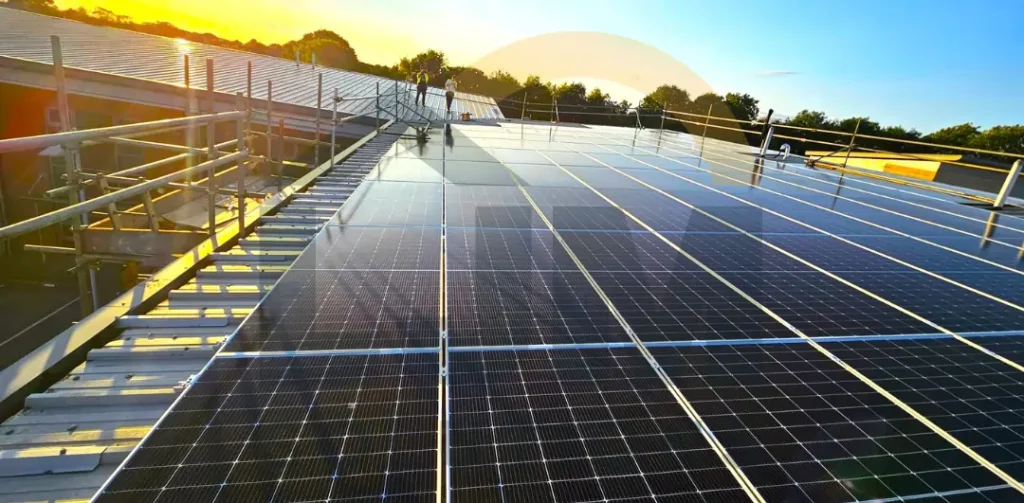





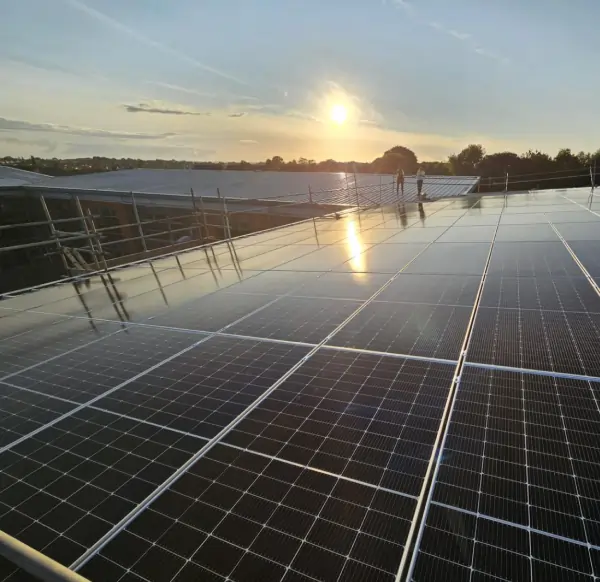
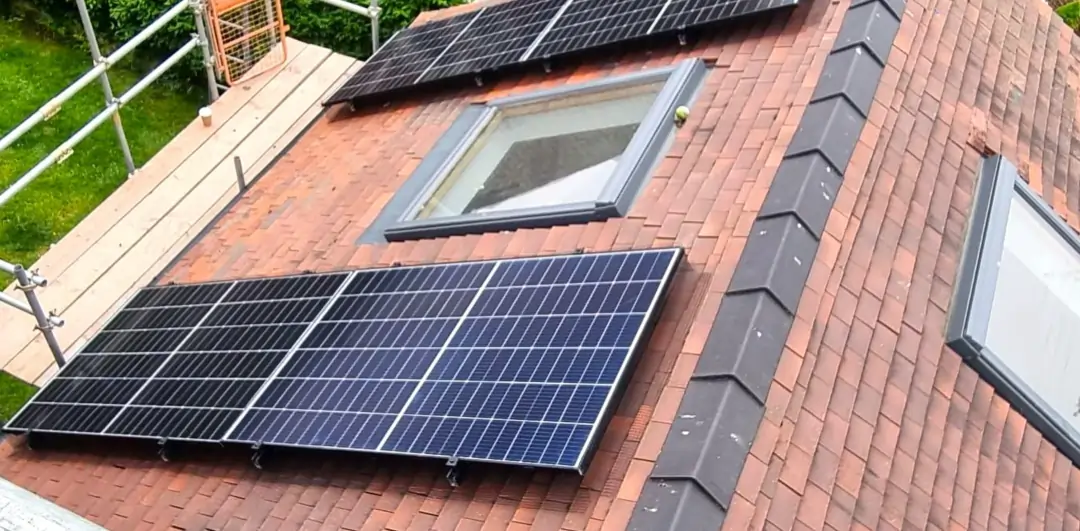
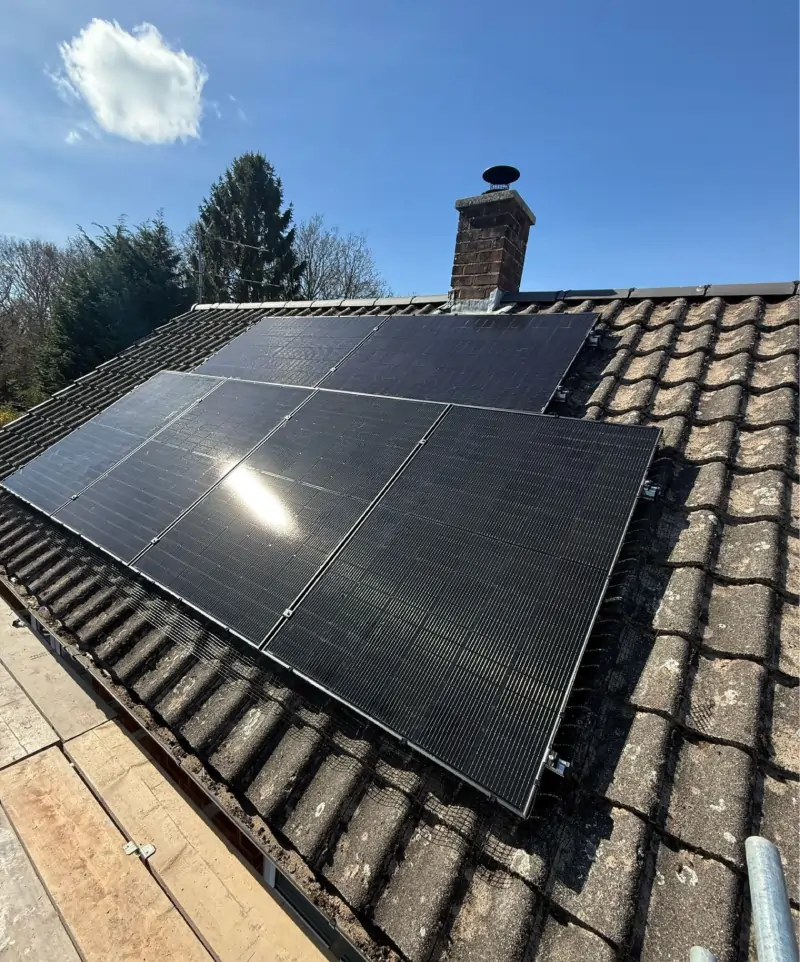
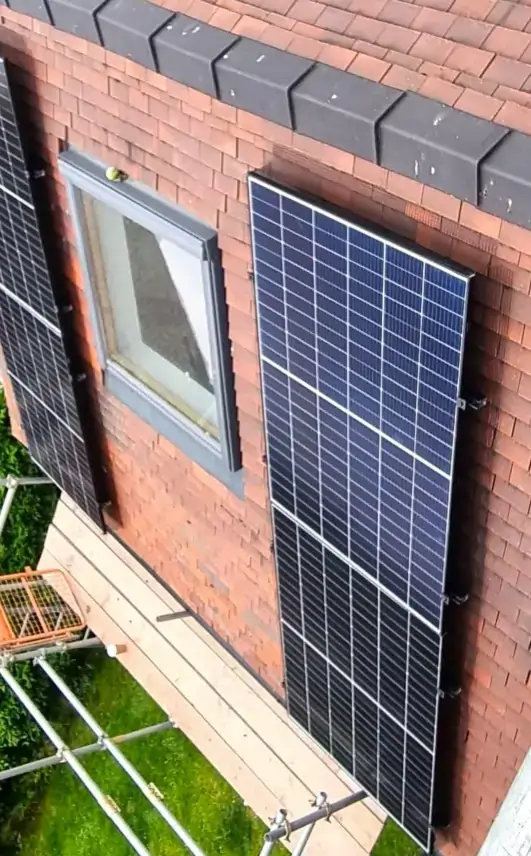
Thinking about Leicester Solar Panels for your home or business? You’re in the right place.
This friendly guide covers what really counts before you decide: how solar works day to day, whether Leicester’s roofs and weather suit panels, what support exists, typical installation costs, realistic savings, and how batteries, EV charging, planning rules, and grid approvals fit together.
We’ve also included a practical section for local businesses and a helpful FAQ.
Use the quick form beside this guide (or below on mobile) to request a free survey and tailored quote from LJM Solutions.
Share a few details—roof type, usual electricity use, and whether you’d like a battery—and we’ll reply with clear numbers and sensible options.
No pushy sales calls. By the end, you’ll know if solar panels in Leicester make sense for you, what size system to consider, and which add-ons are worth it.
You’ll also understand timelines, paperwork, and how we install with minimal disruption.
Solar PV turns daylight into electricity you can use immediately. Even on cloudy days, panels still generate—just at a lower rate. An inverter converts the DC power produced by your panels into AC power for your sockets.
If your array makes more than you need, the surplus can charge a battery, heat water through a diverter, or be exported to the grid under the Smart Export Guarantee.
The aim is straightforward: buy less expensive electricity and make better use of your roof. The strongest results always come from a design that suits your roof, your routine, and your budget.
What a typical system includes
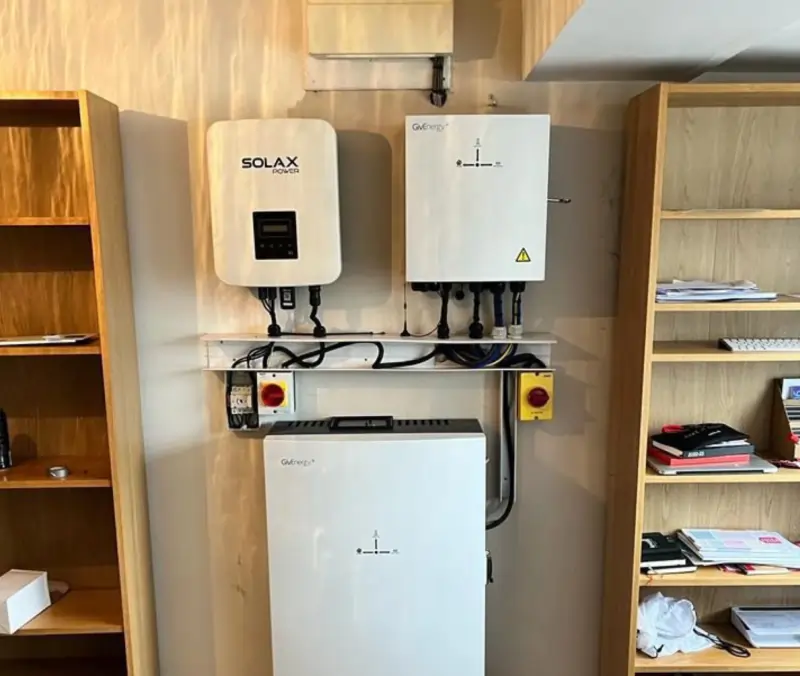
Panels (modules): Fixed to your roof or a ground frame to capture daylight.
Inverter: Converts DC to AC and manages safety and monitoring.
Mounting kit: Weather-tight fixings matched to your roof construction.
Generation meter: Records how much electricity you produce.
Battery (optional): Stores daytime surplus for evenings and mornings.
Diverter (optional): Sends excess power to your hot-water cylinder automatically.
Monitoring app: Shows live performance and simple diagnostics.
Why this works well in Leicester
Steady daylight across the year, with long, bright summer days.
Many household and business loads occur when panels are producing.
Batteries push benefits into the evening peak, when import prices are higher.
Before you begin
Check roof condition and structure; fix any issues before installing.
Map shading from chimneys, trees, and nearby buildings.
Choose an accredited installer and ask for a clear, data-led estimate.
Plan neat cable routes and sensible locations for the inverter and battery.
Leicester is a strong match for PV. Cooler air helps panels run efficiently, and long summer days deliver a large share of the year’s output.
What matters most is orientation, tilt, shading, and usable space. Get those right and solar panels become a reliable, long-term asset that cuts bills and carbon without fuss.
Assess your roof like a pro
Orientation: South is ideal; south-east through south-west still performs well.
Tilt: A pitch around 25–40° is common; flat roofs use tilt frames.
Shading: Even small shadows reduce yield; optimisers help on complex roofs.
Space: Modern high-wattage panels mean fewer modules for the same power.
Structure: Your survey confirms the roof can take the added load.
Seasonal performance in plain English
Spring and summer: Expect most of your annual generation. Time big appliances and EV charging for midday to raise self-use.
Autumn and winter: Shorter days lower output, yet daytime loads still benefit. A right-sized battery stretches daytime energy into the evening.
Easy wins to lift real-world results
Keep modules clear of debris; a simple annual check is usually enough.
Trim obvious shade where practical.
Stagger energy-hungry appliances across sunny hours.
If you have a cylinder, a diverter turns surplus into low-cost hot water.
Our friendly team is here to help with expert advice on solar panels, battery storage, or electrical services. No pressure, just honest answers.
There isn’t a universal cash grant for every household, but useful support does exist. Domestic solar installation currently benefits from 0% VAT on installation, cutting upfront costs.
After commissioning, the Smart Export Guarantee pays you for each kilowatt-hour you export. Some targeted schemes help eligible households, and occasional local initiatives appear. A quick check before ordering is always worthwhile.
Current routes that help
Zero-rated VAT (domestic installs): Immediate saving on installation costs.
Smart Export Guarantee (SEG): Get paid for exported energy; compare rates.
Targeted support: Schemes for low-income households or poor EPC ratings.
Local initiatives: Time-limited council or group-buy programmes.
Get the admin right from day one
Keep your MCS certificate, commissioning paperwork, and manuals together.
Ensure your metering matches your SEG supplier’s requirements.
Have ID, address proof, and bank details ready to speed things up.
Listed buildings, conservation areas, or unusual roofs may need extra steps.
How LJM Solutions helps
We confirm eligibility for reliefs and explain options clearly.
We guide your SEG sign-up and provide required documents.
We hand over a tidy pack so everything lives in one place.
Bottom line: even without a blanket grant, 0% VAT plus SEG income makes Leicester Solar Panels more affordable and rewarding over time.
Costs vary because homes and businesses vary. System size, access for scaffolding, hardware choices, and whether you add storage all influence price.
Focus on lifetime value, not just the headline figure. A well-matched system you actually use will outperform a larger array that exports most of its energy.
When choosing a solar panel installer in Leicester, make sure they understand your specific needs to help you get the most out of your investment.
What moves the price up or down
System size (kWp): More capacity costs more but generates more.
Roof type and complexity: Hips, dormers, valleys, and flat roofs add labour.
Scaffolding: Combining works (e.g., re-roofing) can reduce overall costs.
Hardware choices: Premium all-black modules and hybrid inverters cost more.
Battery capacity: Adds comfort and savings at added cost.
Upgrades: Consumer unit changes, surge protection, and dedicated cabling.
What a quality quote should include
A proper survey and realistic performance model.
A layout drawing showing panel positions and cable routes.
All labour, mounting gear, scaffolding, and electrical sign-off.
Clear warranties for panels, inverter, and workmanship.
Commissioning, app setup, and a neat handover pack.
Ways to keep your budget on track
Size around your daytime use first; avoid paying for unused capacity.
Add a battery later if today’s budget is tight.
Align with roof works to share scaffolding.
Review SEG rates after commissioning to boost export income.
For business sites: commercial proposals include roof-access rules, walkways, safety planning, and grid constraints. Upfront cost is higher, but daytime savings can be compelling for offices, retail, warehouses, and light industry.
Cost-effective solutions backed by 25+ years of hands-on industry expertise.
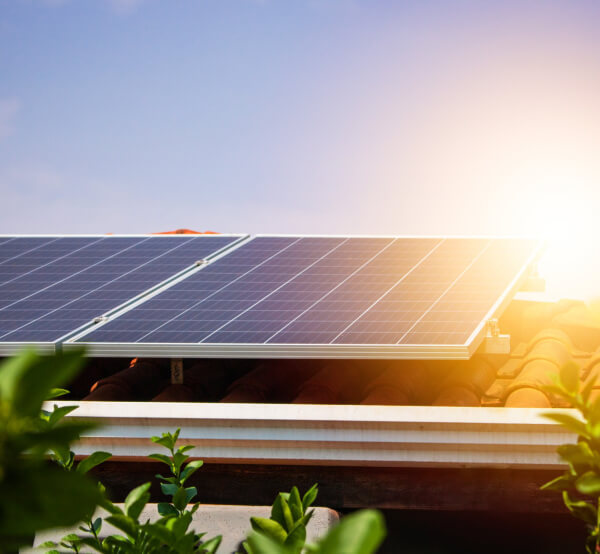
We handle everything. From surveys, design, installation and aftercare, all under one roof.
You’ll deal with a single, dedicated point of contact who knows your project inside & out.

We use high performance, long life solar and battery systems with the latest innovations.
From our Nottingham base, we deliver fast and reliable installs nationwide.
Friendly, responsive service before, during, and after your installation.
Your savings come from replacing imported electricity with your own and from SEG income on any surplus. Add a battery and you shift solar energy into the evening peak. Payback depends on self-consumption, tariffs, and usage patterns—not just system size—so the smartest design always starts with your routine.
What shapes payback most
Self-consumption: Using more of what you generate speeds payback.
Battery use: Storing midday energy for evenings often boosts returns.
Tariffs: A fair SEG rate helps; the right import tariff helps even more.
Usage patterns: Steady daytime demand delivers standout value.
Insulation: Lower heat demand reduces total energy spend.
Practical ways to lift savings
Time dishwashers, washing machines, and EV charging for sunny hours.
Fit a diverter so surplus becomes hot water automatically.
Consider time-of-use tariffs; pair with a battery for off-peak top-ups.
Use smart plugs and timers; low cost, fast payback.
Review import and SEG tariffs yearly and switch if needed.
What to expect over the long haul
Panels often carry 20–25-year performance warranties.
Inverters typically need one replacement in that period.
A well-installed system pays back and keeps delivering value.
Energy price swings happen, but solar reduces exposure to spikes.
Our approach at LJM Solutions
We model scenarios with and without a battery.
We share assumptions openly so you can sanity-check them.
We size systems around when you use power, not only how much.
Most roof-mounted domestic systems fall under permitted development, so planning permission is usually not required if you follow placement rules.
Flat roofs have height limits for frames, and listed buildings or conservation areas need extra checks. Whatever the planning position, Building Regulations always apply to structure and electrics.
Planning basics to respect
Keep panels close to the roof surface and below the ridge line.
Avoid unnecessary glare for neighbours and highways.
Expect extra steps for listed buildings or conservation areas.
Ground-mounts and outbuildings can follow different rules—check first.
Building Regulations: safety first
The roof structure must handle the additional loading.
Electrical work must be compliant and correctly certified.
Fire-safe routes and isolation points are essential.
Clear access and sensible equipment placement help maintenance.
DNO approvals (the grid side)
G98 “connect and notify”: Fits most small domestic systems; we commission, then notify the DNO within 28 days.
G99 “apply and connect”: For larger systems or specific setups; approval comes before commissioning.
Businesses may also need export studies and limits where capacity is tight.
How we simplify it
We assess planning constraints early and design within the rules.
We manage Building Regulations compliance and provide certificates.
We handle DNO notifications or applications so you don’t have to.
We assess your property and design a custom solar PV or electrical solution to maximise energy savings.
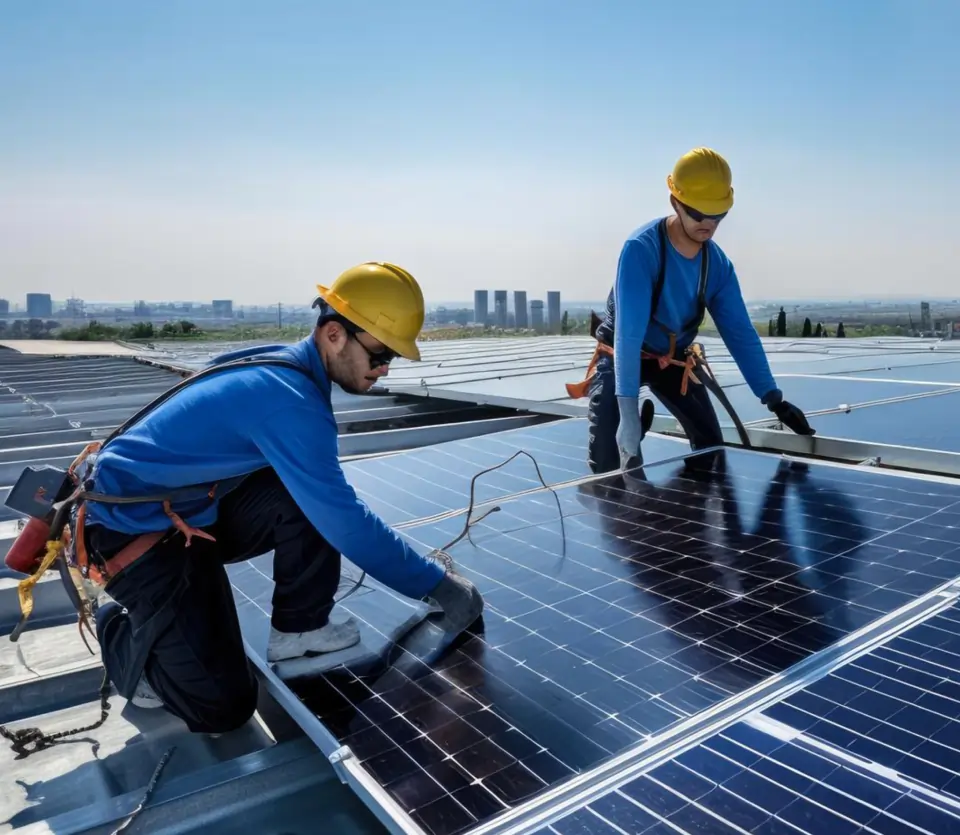
Our fully accredited team installs your system safely, efficiently, and in line with MCS and UK regulations.
We provide full system handover, certification, and ongoing support to keep your system operating at its best.
Daytime demand makes solar a natural fit for many Leicester sites. Energy produced while the sun is up is energy you don’t buy at retail rates. Over time, that stabilises costs, supports ESG goals, and strengthens tender responses.
Non-penetrative mounting and export-limiting inverters mean solutions exist even on complex roofs or constrained grid connections.
Commercial wins we see most often
Lower daytime bills: A direct hedge against future price rises.
Carbon reductions: Measurable, reportable, and helpful in bids.
Predictable asset: Long warranties and low maintenance.
PR value: Visible proof of sustainability action.
Design choices that protect operations
Non-penetrative mounting for suitable flat roofs.
Walkways and access zones for safe maintenance.
Export-limiting where the DNO connection is constrained.
Monitoring and alerts integrated with facilities routines.
What to expect in a business proposal
Load analysis using half-hourly data where possible.
Roof condition checks and structural considerations.
Grid engagement, export studies, and protection settings.
Phased installation plans to minimise disruption.
Result: Leicester Solar Panels can make your site cheaper to run and more resilient, with savings that build year after year while you stay in control.
Usually not for roof-mounted systems on houses if you follow permitted development rules. Listed buildings, conservation areas, and some flat-roof setups differ, so check first.
Yes. Leicester gets steady daylight across the year. Good design and low shading matter most.
Panels typically carry 20–25-year performance warranties. Inverters often need one replacement over that period.
It depends on your routine. If most of your use is after 5 pm, a battery often helps. If you’re home in the day, a diverter may be the first upgrade.
We size around your roof and usage. A right-sized system beats an oversized one that exports most of its energy.
Sign up to a SEG tariff after commissioning. Suppliers set rates and terms; compare and review annually.
Very little. Keep panels clear, book occasional visual checks, and watch the app for alerts. We’re here if anything changes.
Survey, design, scaffold, mounting, electrical work, commissioning, and a tidy handover pack. We also handle the DNO paperwork and help you sort SEG.
Our friendly team is here to help with expert advice on solar panels, battery storage, or electrical services. No pressure, just honest answers.
Unit 3, Gainsborough Business Park Long Eaton, Nottingham NG10 1PX
Experienced solar, electrical & energy-efficiency specialists in Nottingham, with 25+ years of industry expertise.
Copyright © 2026 LJM Solutions. All rights reserved. Website and SEO by Vimana Digital.